What is Autism?
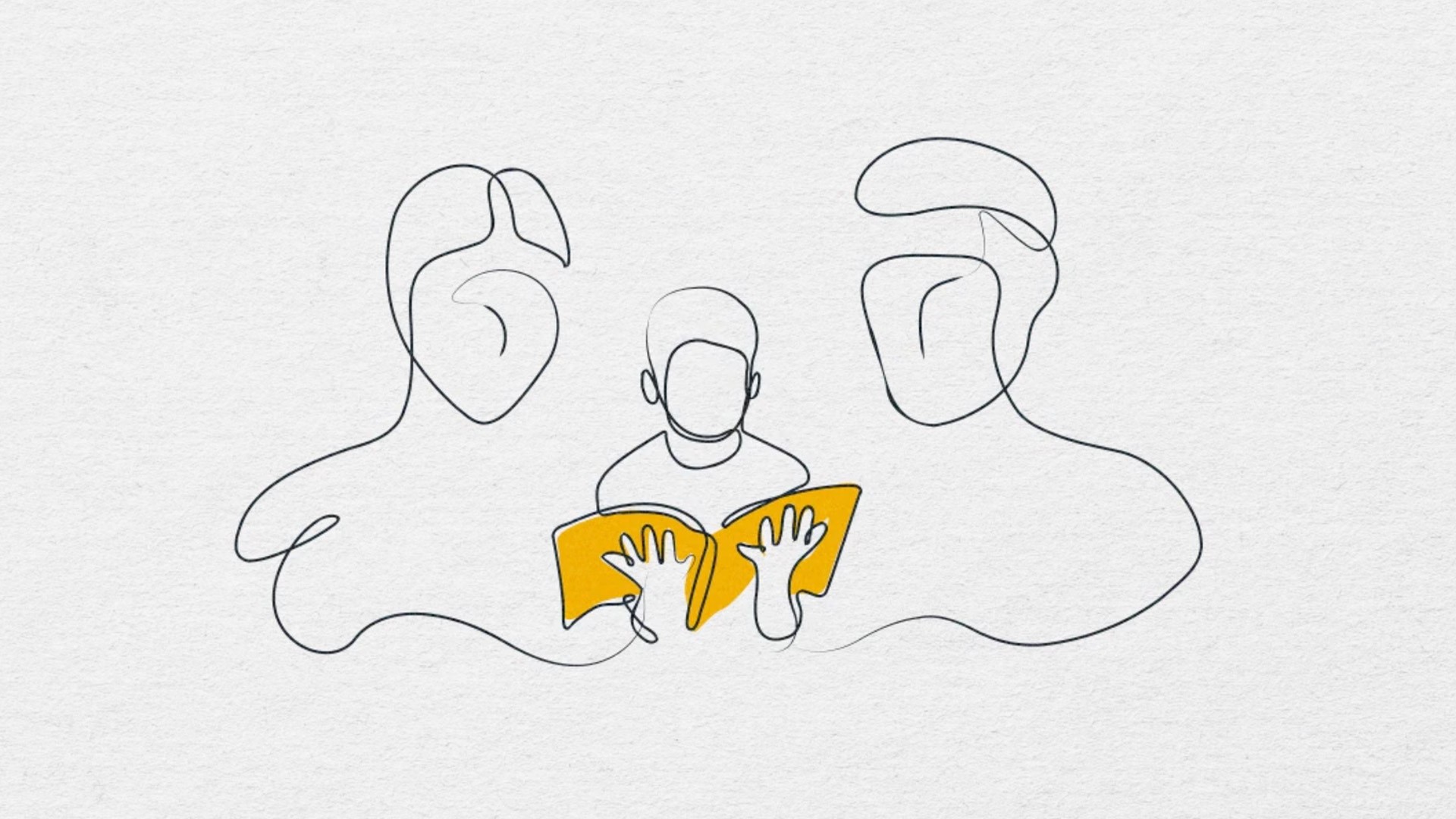
Autism is a neurological disorder that affects how the brain develops and functions. Autism affects the key areas of social interaction and communication. Specifically, individuals with autism have difficulties communicating (verbally and non-verbally), socially interacting with family and peers, and participating in leisure and play activities. In addition, individuals with autism may show stereotypical body movements (hand flapping, rocking), resist changes to their routines, and have unusual attachments to things (objects,television shows, etc). Individuals with autism may also have heightened sensitivities in touch, hearing, sight, smell, and taste.
Autism falls under the umbrella term Autism Spectrum Disorders, which is a category of disorders that are characterized by impairment in several areas of development. According to Autism Ontario, there are currently 70,000 individuals with ASD in Ontario.
Treatments
Autism is a disorder that presents itself on a spectrum. This means that individuals with autism do not all present with the same type of characteristics. Each person has their own set of unique skills and challenges. This is the main reason why there is not a general, unified approach to treating autism. In addition, the complexities of autism and how to provide meaningful care to individuals with autism are still under research.
Currently there are a wide range of treatments geared towards individuals with autism and it includes (but not restricted to) the following:
ABA (Applied Behaviour Analysis) therapy
Gluten Free, Casein Free Diet (GFCF)
Occupational Therapy
Sensory IntegrationTherapy
SpeechTherapy
For more information on these treatments and others , please visit Autism Speaks:
http://www.autismspeaks.org/whattodo/index.php